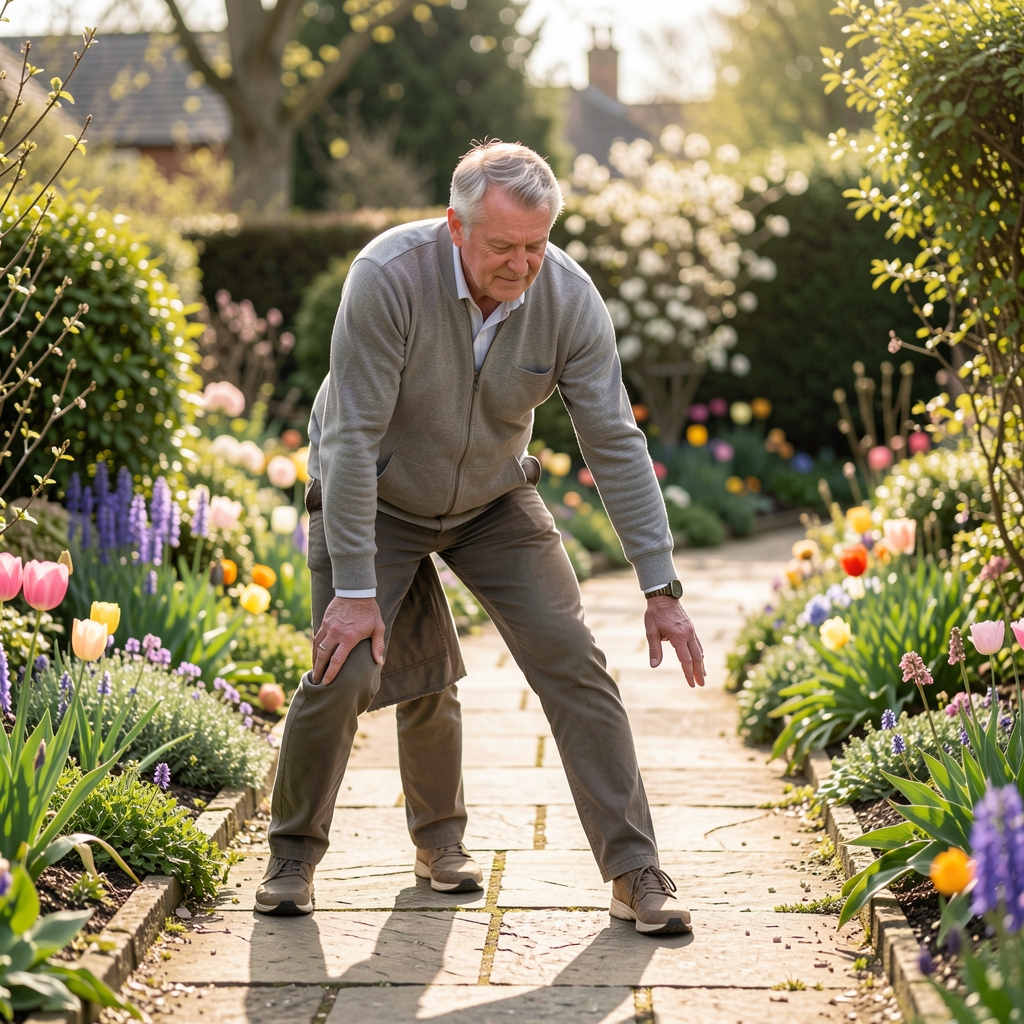
Joint health after 40 is best understood as an everyday conversation about movement, strength, rest and confidence. Age alone does not tell a complete story, and a headline about wear or stiffness can create more worry than clarity. This evidence-informed editorial guide looks at how a varied routine may fit into men's wellness editorial, why gradual progress matters and how to describe changes clearly when speaking with a GP. The word comfort is used here in an ordinary sense, not as a promise. Research often separates mobility, strength and self-reported experience, so a reader should be wary of pages that collapse all three into one result. The practical value is in noticing patterns, keeping expectations realistic and choosing questions that fit a person’s own life.
Movement is a broad category
A walk, a cycle, a gardening session and a strength exercise place different demands on the body. Alternating activities can make a routine more engaging and may develop different aspects of fitness. The best option is the one a person can repeat with reasonable enjoyment and safety. A long break from movement is a reason to seek personalised guidance before making a major change.
Strength and control
Strength is not only about lifting heavy loads. It also includes getting up from a chair, carrying shopping, climbing stairs and controlling a movement through space. These everyday examples can help a reader understand why resistance work appears in many wellbeing discussions. Technique, breathing, balance and recovery all deserve attention.
Recovery and routine
Rest is part of training rather than a failure to be active. Sleep, work demands, stress and social commitments affect how much a person can do. A smaller routine repeated consistently may be more realistic than an ambitious schedule that disappears after two weeks. Keeping a simple note of activities can reveal patterns without turning life into a spreadsheet.
How to describe a change
Useful details include when a change began, what activity was involved, whether it affects sleep or daily tasks and what makes it better or worse. Clear descriptions help a GP or qualified healthcare professional understand the question. Avoiding dramatic labels can make a conversation more precise.
Questions for readers over 40
- Which movements feel natural and which feel unfamiliar?
- How can strength and balance fit alongside walking?
- What recovery habits support my routine?
- What information would help me speak clearly with my GP?
Key takeaways
- Joint wellbeing includes movement, strength, confidence and recovery.
- A varied routine can be more sustainable than a single demanding activity.
- Personal context matters more than age alone.
- Persistent or worrying changes deserve a professional conversation.